
Micro-region
The smaller villages of Somogy County hide real treasures for those interested in nature, traditional village life, and historical values. Whether enjoying the proximity of Lake Balaton or longing for rural tranquility, everyone can find something interesting and unique in the area.
Let’s get in the car or jump on a bicycle and get to know the towns just a few kilometers from Lake Balaton.
Balatonendréd
Our neighboring village, Balatonendréd,, is renowned for its bobbin lace. To this day, the art of lace-making is taught at the local primary school. In addition to the Local History Collection housed in the school, there is also an exhibition showcasing Endréd lace. (Visits can be arranged by appointment with the school: Balatonendréd Primary School, 20–22 Szabadság Street; Tel.: +36 84 348 887)
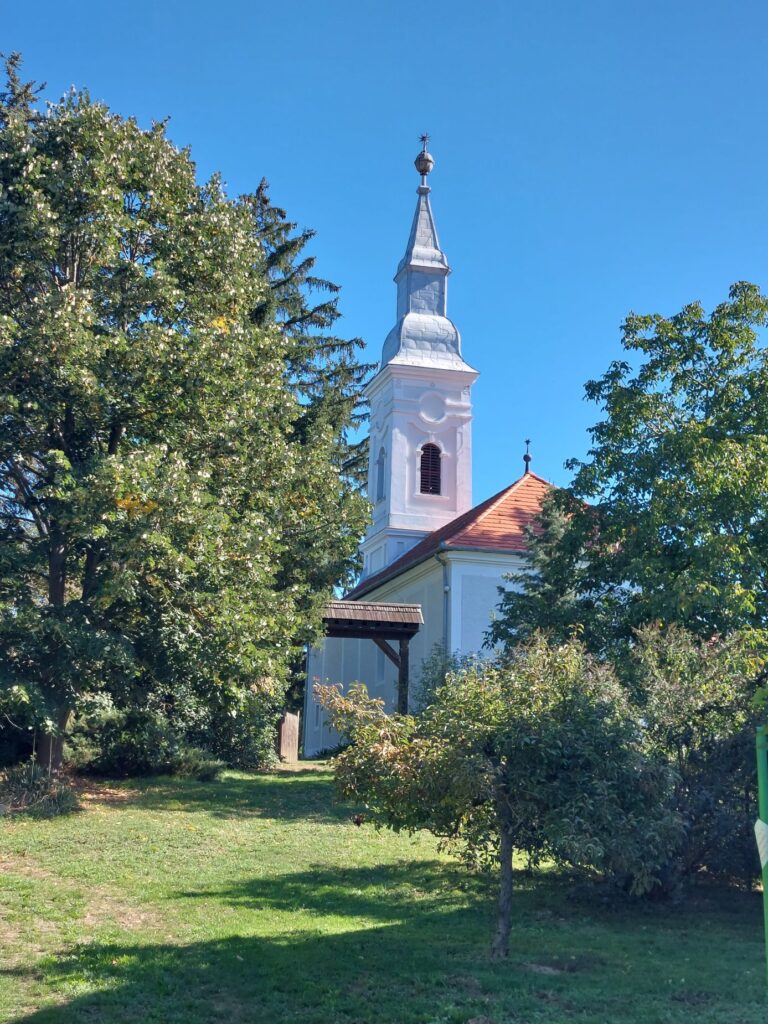
In the center of the village stands the Roman Catholic Church of Saint Andrew. The church was built in 1744 by Abbot Ágoston Lécs, incorporating the wall felhasználva a török kori vár falát. Tornya, sekrestyéje nyolcvan évvel később épült Szabó János plébános hagyatékából. Bejárata felett kőbe faragva a tihanyi apátság címere látható. Védőszentje: Szent András.
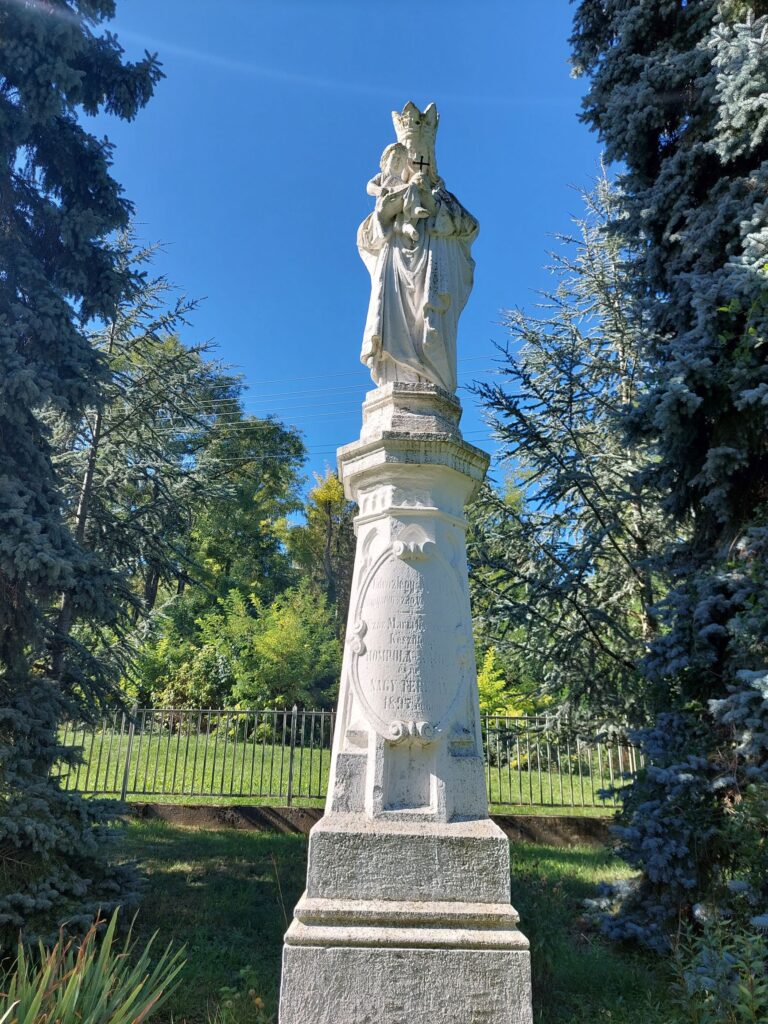
The statue of the Virgin Mary, erected in 1897, now stands in the church garden.
The Reformed Church – built in 1787 and expanded in 1883 – is located on the hill behind the parsonage. In the church courtyard, there are four carved wooden memorial posts (kopjafas), commemorating the Kájel couple (Endre Kájel, a Reformed minister, and his wife, Zsófia Koroknai Kájel, who were the developers and promoters of the lace-making technique known as "Endréd bobbin lace"), as well as pastors István Szombathy and István Boruss.
A marble memorial plaque dedicated to Mrs. Kájel was placed on the parsonage wall by the Zamárdi Group of the Women for Lake Balaton Association, initiated by Mrs. Imre Kalmár.
In 2025, a memorial plaque dedicated to Sára Kájel was unveiled on the wall of the Community House.


Szántód
Or, as it is often called: the Gateway between North and South, since the ferry operates here, connecting the northern and southern shores of Lake Balaton. In the center of the village stands a bronze statue of Saint Christopher – the patron saint of travelers, wanderers, and sailors – created in 1939. The sculpture is the work of László Hűvös Botfai.
Located on the outskirts of the village is the Szántódpuszta Manor Estate, also known as the Living Manor. This 18th-century manor complex, classified as a historical monument, is situated along Main Road No. 7. It hosts a variety of exhibitions and cultural programs, including:
Babarium (a collection of dolls dressed in traditional folk costumes from various nations), Radio and Mineral Exhibitions, An exhibition on the history of Szántódpuszta, Endréd Lace Exhibit, "From Wheat to Bread" Exhibition, Retro Office from the Siotour Era, Viticulture and Winemaking Exhibition, Buzzing Interactive Honey and Beekeeping Exhibition, Blacksmith Workshop
At the highest point of the estate stands the Chapel of Saint Christopher. The petting zoo and playground are particular favorites among children.
The yellow-arrowed hiking trail passing behind the manor leads to the Molyhos Oak Lookout and Rest Terrace. And speaking of lookouts, one must not miss the lookout tower at the end of Kisfaludy Street either. Built among the reeds, this wooden structure offers a breathtaking panoramic view of Lake Balaton.


Several smaller villages along the road connecting Tab and Zamárdi offer excellent opportunities for rural tourism, hiking, and cycling.
Lulla,
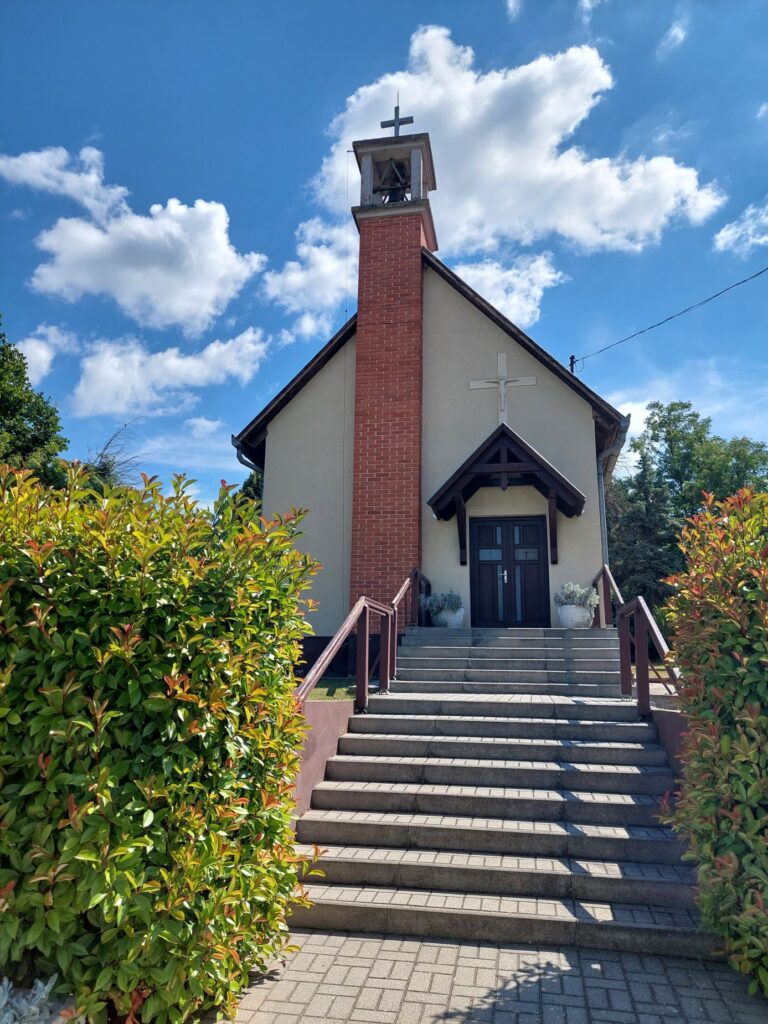
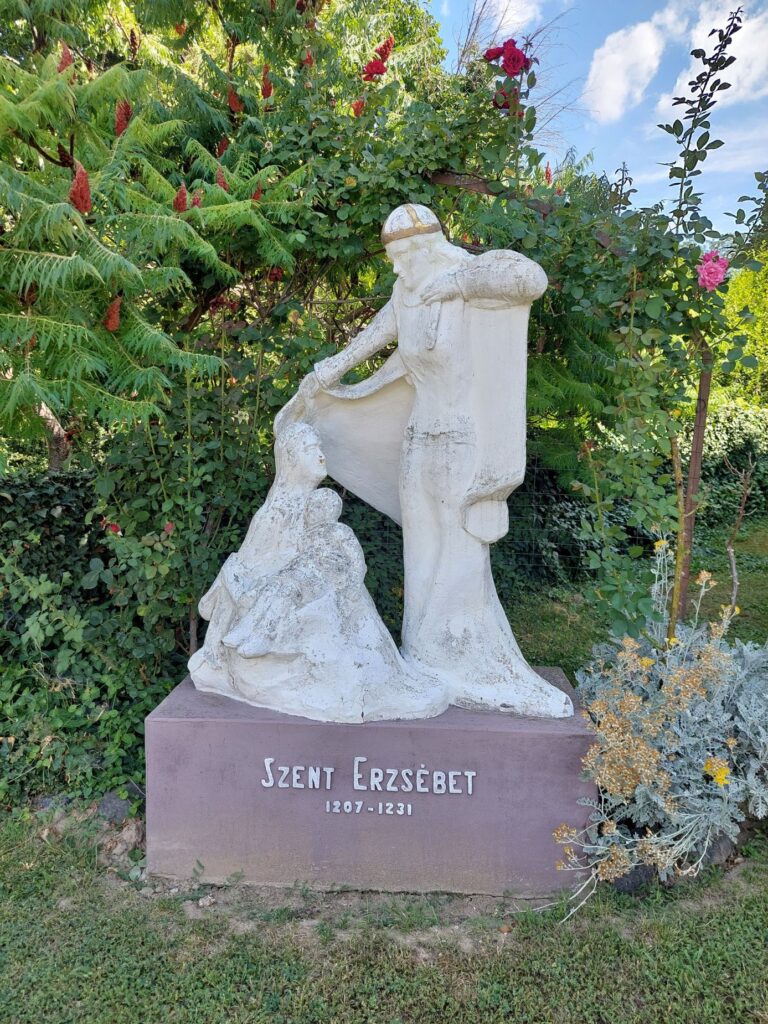
Next to Balatonendréd lies the small village of Lulla,a small village nestled in the Jaba Creek Valley. On Kossuth Street stands the Catholic Church of Saint Elizabeth, adorned with frescoes painted by the dean-priest of Táb. The church was built in 1983.
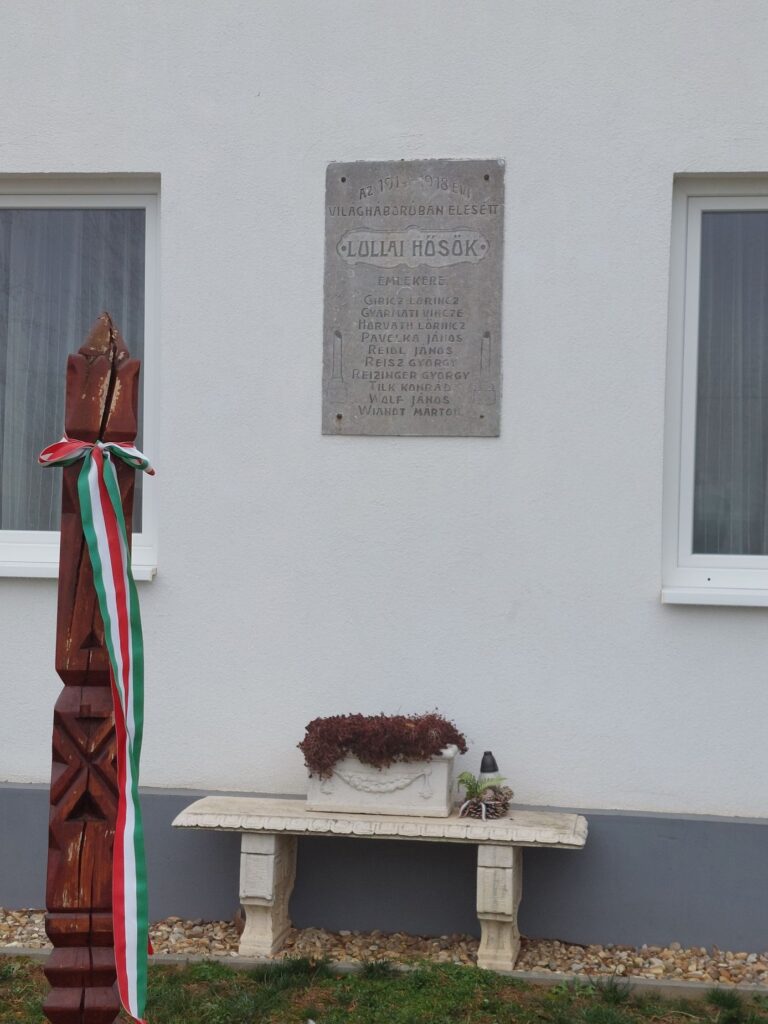
Also on this street is the World War Memorial, with a metal bell tower standing beside it.
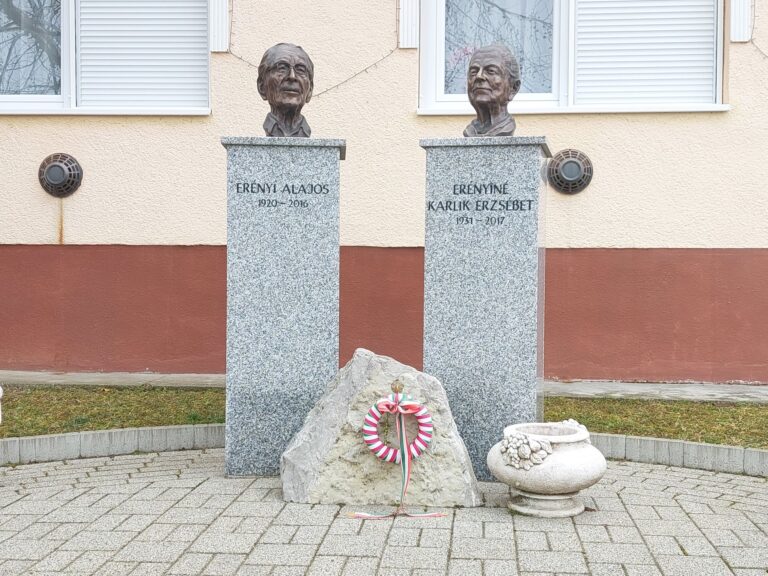
Alajos Erényi (painter and watchmaker), who considered Lulla his second home, lived in the village. A retrospective exhibition of his works, including his paintings and objects related to his watchmaking craft, can be seen in the municipal building. One of the highlights of the exhibition is a unique, six-meter-long linocut print—a miniature version of Árpád Feszty’s famous circular panorama, The Arrival of the Hungarians. (Kossuth Street 43)
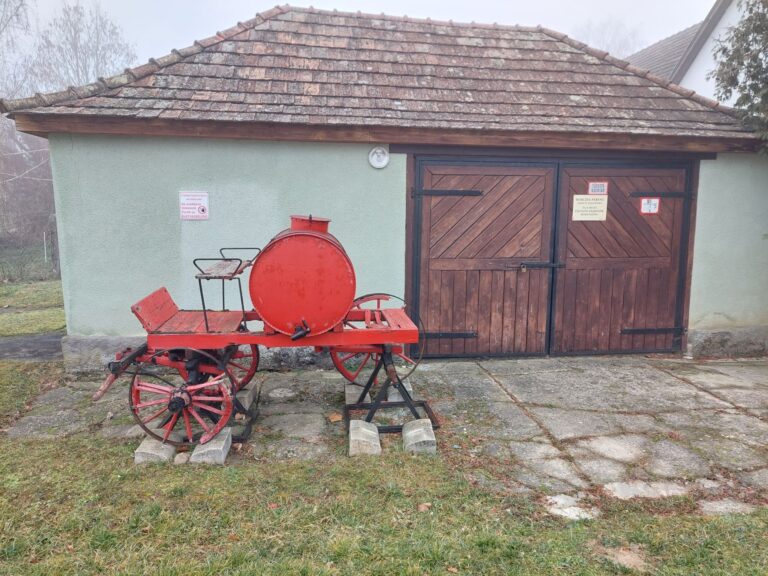
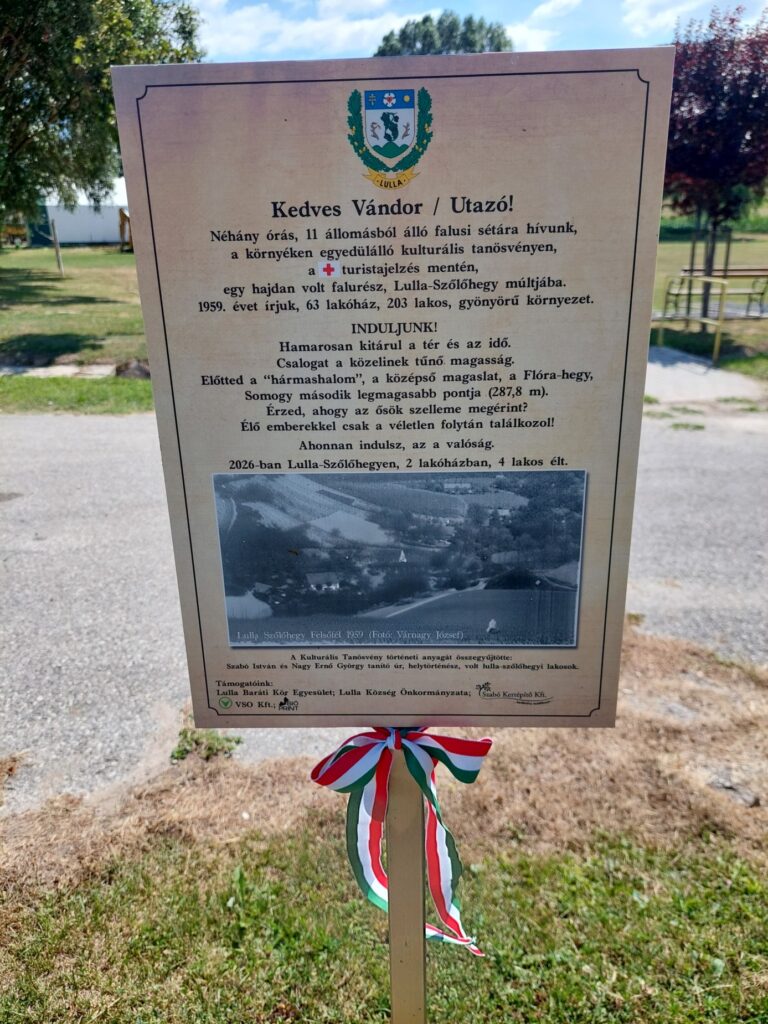
Lullai Kulturális Tanösvény: A Flóra-hegy felé vezető út mentén kialakított Lullai Kulturális Tanösvény izgalmas betekintést nyújt az egykor itt élők mindennapjaiba, hagyományaiba és történeteibe. A tanösvény állomásain korabeli fényképek, érdekes helytörténeti leírások és személyes emlékek idézik fel a Lulla-Szőlőhegyen élők mindennapi életét, hangulatát. A táblákon található QR-kódok segítségével hanganyagok is meghallgathatók, így a múlt nemcsak láthatóvá, hanem hallhatóvá is válik.

Torvaj
The small, secluded village proudly boasts two churches. Its Lutheran church was built in 1859 and stands in the current center of the village (Kossuth Street). Next to it is the World War memorial.
At the end of the village, you can catch a glimpse of the Roman Catholic Church, located right next to the cemetery. The Torvaj Great Blessed Virgin Mary Church was built in 1755 on the site of a medieval church. Above its entrance is a chronogram, whose highlighted letters form the year 1756.
Next to the village hall (Kossuth Street), there is a well-maintained bell tower.


Sérsekszőlős
A cul-de-sac village where you will find the Saint Emeric Catholic Church, with a white statue of the Virgin Mary holding the infant Jesus beside it. On the other side of the church stands a white cross. A bell tower stands next to the community center (Szabadság Street).


Tab
Tab is the central settlement of the Outer-Somogy Hills region, encompassing 24 surrounding villages.
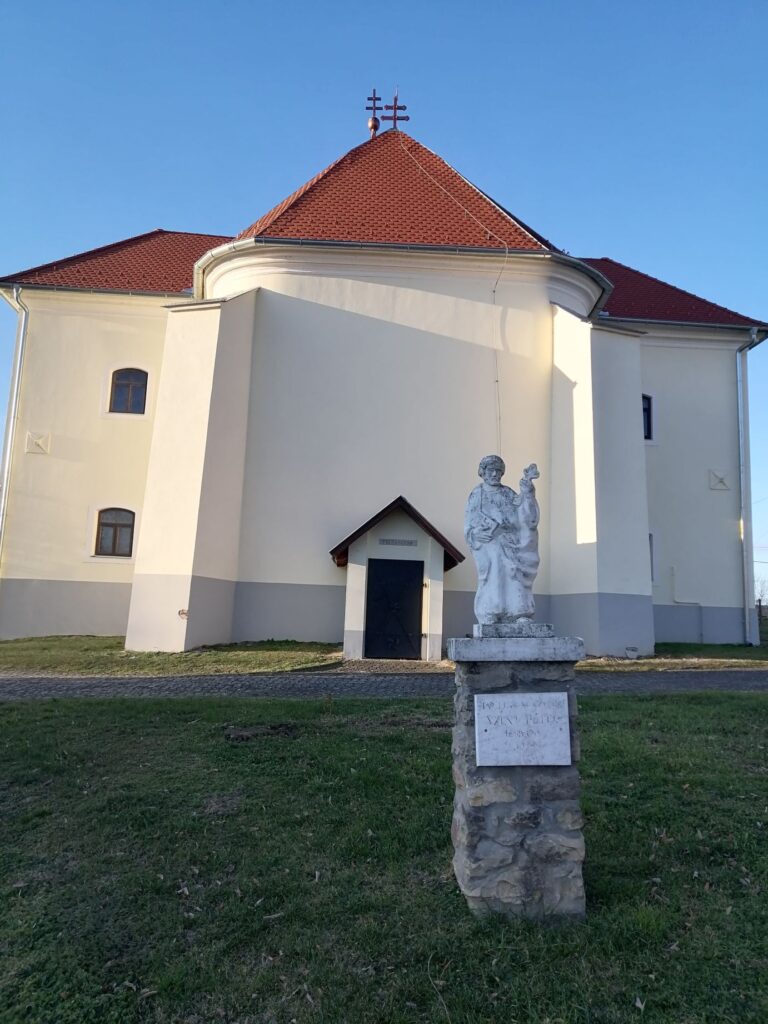
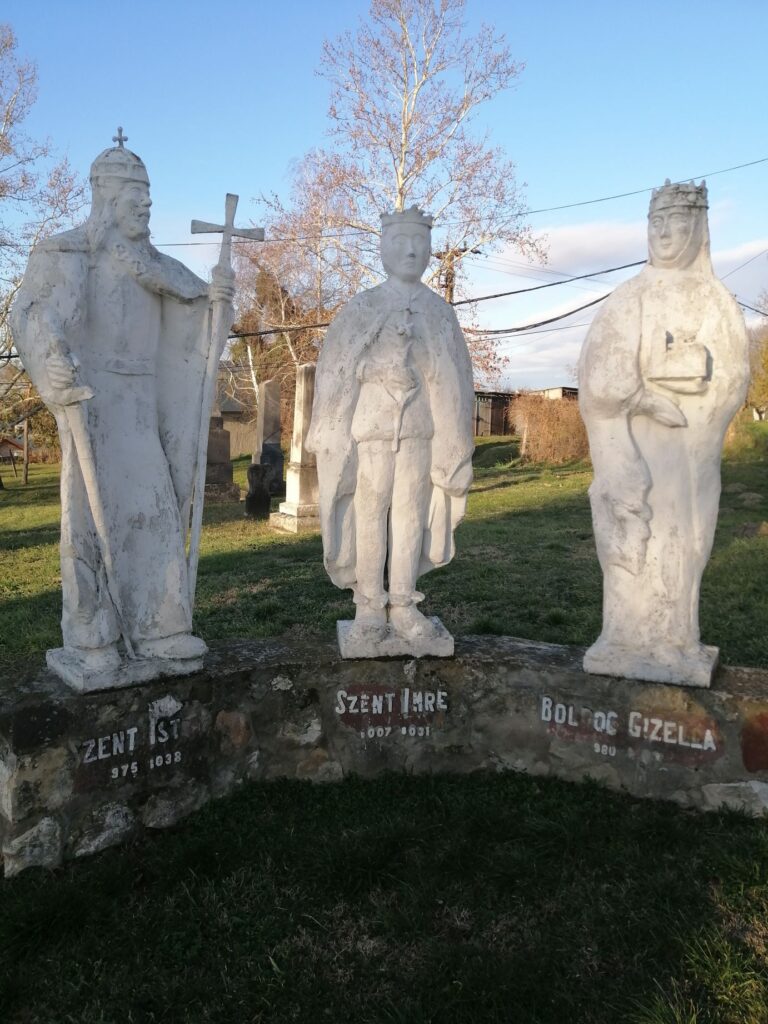
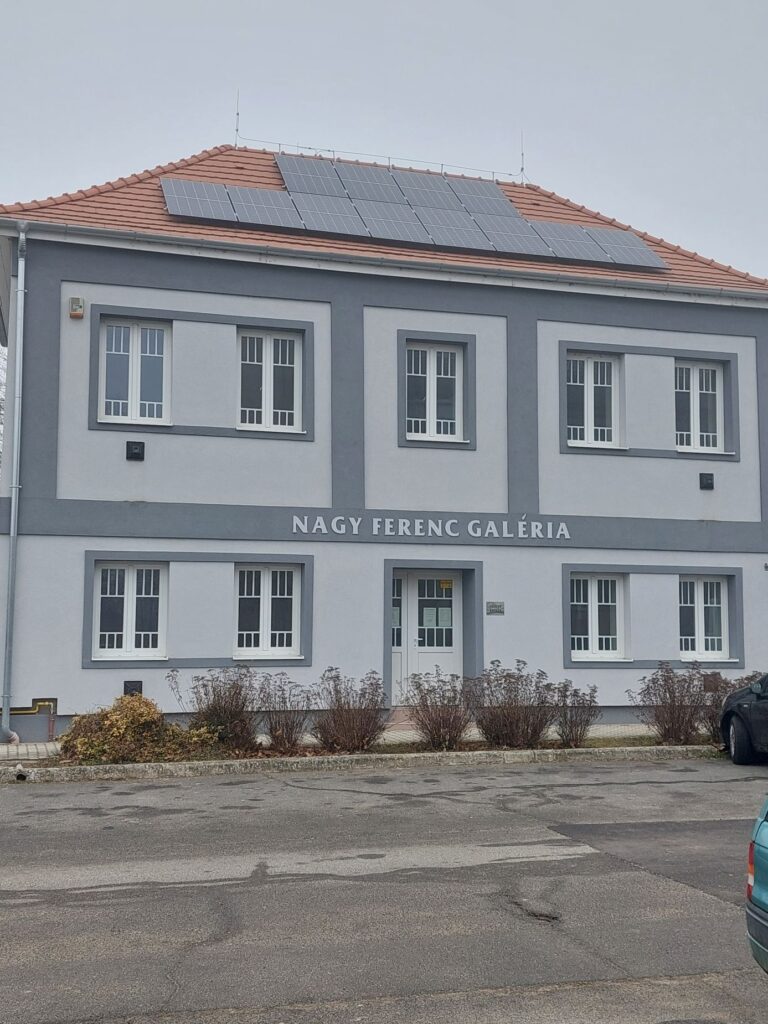
In the town center stands the equestrian statue of Saint Stephen. About 300 meters away is the gallery of the town’s native woodcarver, Ferenc Nagy (Kossuth Street). Another landmark is the Last Supper Catholic Church (Church Square), built in 1756 and consecrated in 1762. Inside the church is a life-size replica of the Holy Crown of Hungary made of beads, and the garden features statues created by Abbot Lajos Takács.
The town has several parks and pleasant squares where visitors can relax during their tour. On the first Wednesday of every month, a large market is held near the Market Hall.
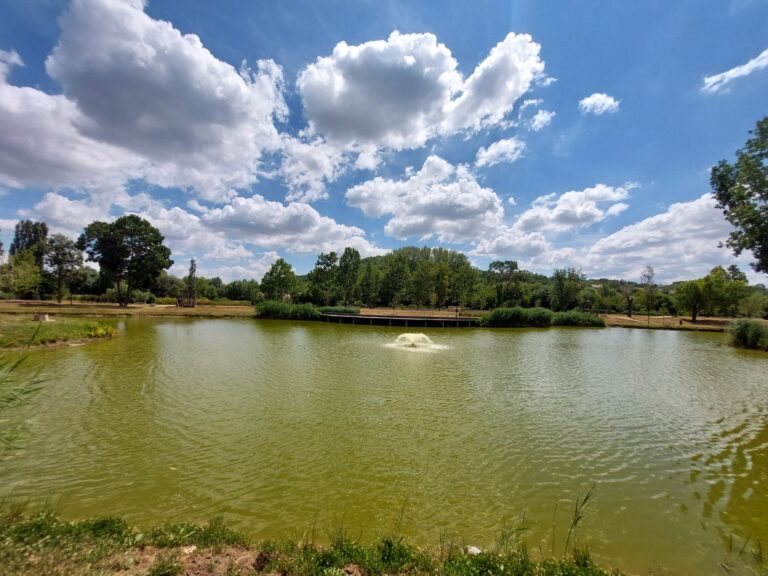
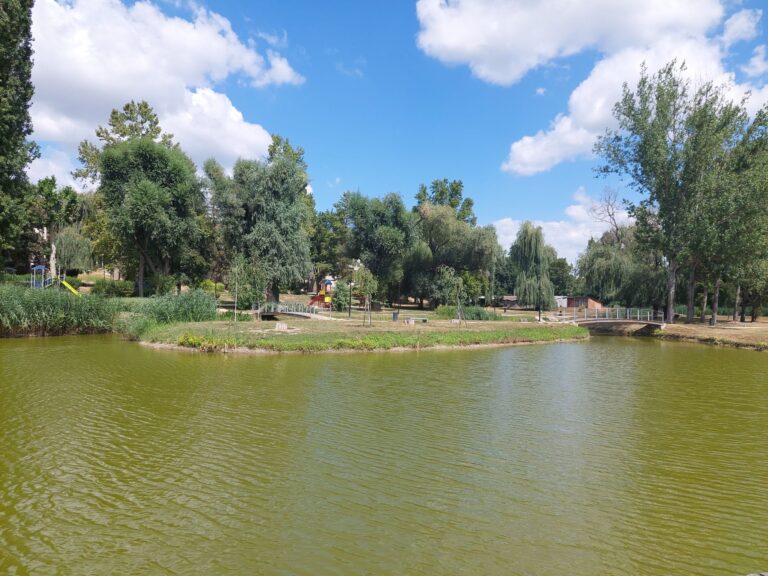
A város szélén található Csónakázó-tó ideális helyszín egy kellemes sétához, pihentető kikapcsolódáshoz vagy akár egy aktívabb nap eltöltéséhez. A tó környezete minden korosztály számára tartogat élményeket.
A gyermekek számára több játszótér kínál önfeledt szórakozást, míg a mozgás szerelmeseit fitness park várja. A közös családi vagy baráti programokhoz kiépített bográcsozóhely is rendelkezésre áll, ahol egy kellemes szabadtéri főzés még emlékezetesebbé teheti az itt töltött időt.
Ha inkább egy nyugodtabb programra vágyunk, a tó mellett található Könyvfülkéből kedvünkre válogathatunk a könyvek és újságok között.
Üljünk le egy padra vagy napozóra, lapozzunk bele egy jó könyvbe, élvezzük a természet nyugalmát, és töltsünk el néhány kellemes, pihentető órát a Csónakázó-tó csendes környezetében.

Zala
Adjacent to Tab lies the village of Zala is famous for the painter Mihály Zichy. Here stands the famous painter’s birthplace—the Zichy Castle/Manor. The construction of the manor dates back to the 1820s–1830s; in 1830, Ferenc Zichy rebuilt the castle.
In 1880, when the painter Mihály Zichy settled permanently in Zala, he renovated the castle by converting the former greenhouse into an art studio.
The Mihály Zichy Relic Museum was established in 1927 and has been operating as the Mihály Zichy Memorial Museum since 1951.
In the historic manor, the painter’s and graphic artist’s works are displayed in eight rooms. In addition to paintings and graphics, visitors can view the artist’s personal belongings and his unique collection, which includes a Georgian room, weapons, shaman’s clothing, and a cloak made of fish skin, as well as the family library containing over 4,000 volumes.
One of the museum’s highlights is his 1878 painting "The Triumph of the Genius of Destruction."
In the center of the village stands the Roman Catholic Church of Penitent Magdalene of Zala. The current Roman Catholic church was created during the 1764 Baroque-style reconstruction of a 13th-century nave.


Kapoly
The Reformed Church in the village center was built in 1838 in late Neoclassical style (Szabadság Street). In the park next to the church stands the World Wars Memorial.
The Saint Michael Catholic Church was built in 1777 in Baroque style (Szabadság Street). On the church wall, there is a memorial plaque dedicated to the heroes who fell in World War I.


Zics
The Church of the Visitation of the Blessed Virgin Mary was built in Baroque style between 1781 and 1786. It was commissioned by József Zichy. The beautiful frescoes decorating the interior walls and ceiling of the church are believed to be the work of István Dorffmaister, an artist known primarily for painting smaller village churches and spaces. His frescoes can also be found in Somogy County, in places like Nágocs, Tab, and Kisbárapáti.
The church crypt is the resting place of József Zichy and his family members—15 relatives are buried in the crypt. (The last burial took place in 1887.)
The cast-iron cross in front of the church was erected in 1832 by Captain György Siegler and Ferenc Zichy. (Dózsa György Street)
A World War I memorial plaque on the church wall honors the memory of the heroes, while in the village center stands a World War II memorial commemorating the fallen (the memorial was solemnly consecrated in 1989). (Petőfi Street)


Nágocs
In Heroes’ Square stands the Catholic Church of Saint George, built in 1757 by József Zichy; later, Baron Iván Rubidó Zichy restored it and added a new tower.
There is also a Reformed Church in the village.
Not far from the Catholic church stands the Turul Memorial, next to the Zichy Castle’s large park, which is a protected natural area. In the large park, you’ll find the school building as well as several facilities for leisure activities: football, basketball, and volleyball courts, a playground, and swings—all designed to encourage active recreation. But if you just want to read a good book or take a rest during your hike, you’ll find plenty of benches along the paved paths—perfect spots to relax.
Currently, the castle is not open to visitors as it is undergoing renovation. Construction of the castle began in either 1711 or 1714. It acquired its classicizing form around 1820, during the time of János Nepomuk Zichy.
In front of the castle gate stands a statue of Saint John of Nepomuk, erected in 1787 by József Zichy in honor of the family’s patron saint. The statue’s pedestal bears the coat of arms of the Zichy family.
The Baroque statue was restored in 2022 by A-Híd Zrt. on the occasion of the Bridges and Bridge Builders’ Day.
In the center of the village stands a World War II memorial—a carved wooden memorial post (kopjafa).
Next to it stands an interesting Maypole, a so-called Bavarian Maypole, which uniquely showcases the professions of the village’s residents—an exciting snapshot of the life of a close-knit community.
Just outside the village lies the 6-hectare Nágocs Lake, surrounded by hills—a true "fishing paradise." The lake is home to carp, grass carp, bream, crucian carp, catfish, zander, pike, silver carp, tench, and other whitefish species. A valid local fishing permit is required.


Somogyacsa
A small settlement located in the valley of the Koppány Creek. In Gerézdpuszta, belonging to Somogyacsa, you’ll find a true fishing paradise—the Gerézdi Lakes.
In Gerézdpuszta stands the Saint Martin Chapel, built in 1892 in Baroque style and dedicated to Saint Martin, Bishop of Tours. In 2000, the altarpiece was stolen during a burglary; artist Anikó Szilárd created a new painting, which was delivered and consecrated in 2015. It depicts the scene of Amiens.
In Somogyacsa, on Kossuth Street, you can find the Calvary.
On Calvary Hill, there are three crosses; beside them are 14 “niches” marking the Stations of the Cross.
The Saint Florian Roman Catholic Church was built in 1788 in Baroque style by Bishop György Kurbély of Veszprém.
In front of the church stands the World War I memorial.
At the end of Táncsics Street, you'll find a buffalo reserve—if you're lucky, the herd may be grazing nearby.


Somogydöröcske
A settlement located in the valley of the Koppány Creek.
Its Evangelical church was built in 1836 in late Baroque style (Keleti Street). The church was rebuilt in 1994.
The church also preserves the memory of the once significant Swabian population: at its entrance, the famous Lutheran quote can be read in German as well. „Erős vár a mi Istenünk – Ein feste Burg ist unser Gott”
Next to the church stands the World War I memorial.
In the center of the village, at the tourist trail sign, you’ll find the stamp station for the “South Transdanubian Red Trail.” About 20 meters from there—next to the Community House—stands the World War II memorial.
Behind the Community House, a cozy and well-maintained communal area awaits visitors, featuring a brick oven and a bacon-roasting spot, providing a pleasant place to relax and enjoy active recreation.


Miklósi
In Miklósi, only Swabians used to live, and although many new settlers have arrived today, they have preserved their traditions.
The Church of Saint John the Baptist, located on Petőfi Street, was built in 1894 by Cardinal Hornig.
The names of those who died in the First and Second World Wars can be read on the war memorial in front of the church.
In the center of the village is the Nagy Tímea Recreation Park. (Residents of Miklós appeared on the TV show Hovatovább, where they won the competition; Nagy Tímea, an Olympic champion fencer, was the team captain. The park was built using the prize money.)


Kára
The Christ the King Church on Kossuth Street was built in 1947. Next to it stands a memorial to the heroes of World War I.


Szorosad
The Saint Joseph Roman Catholic Church, built in 1835, is a protected historical monument in the village center. In front of the church is a World War II memorial erected in 1989, listing 28 local victims.
On the opposite side of the road stands the World War I memorial.


Törökkoppány
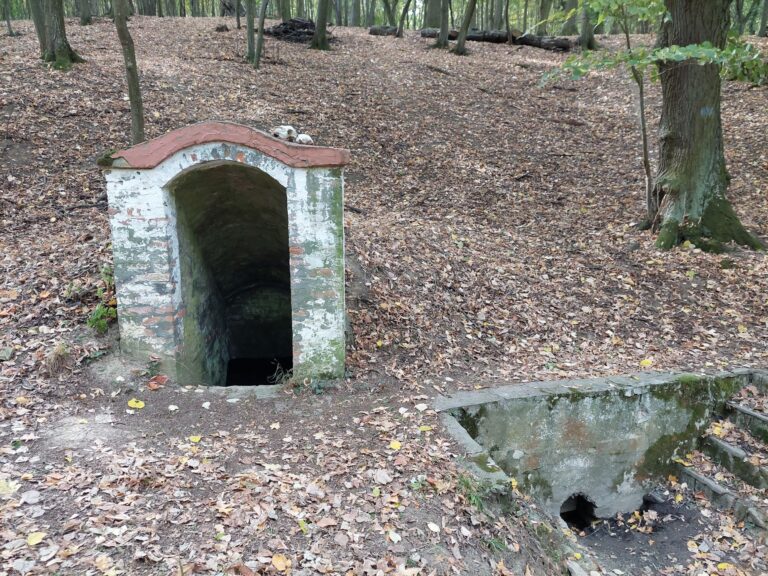
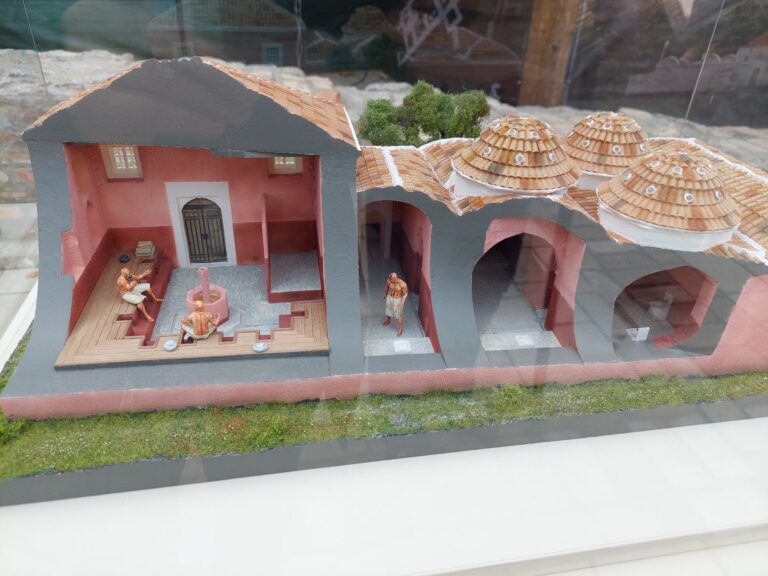
A Koppány folyó mellett fekvő község. Vélhetően Koppány fejedelem idején a somogyi hercegség egyik igazgatási központja volt. Az 1500-as években, a török hódoltság ideje alatt is lakott település volt, még fürdővel is rendelkezett. Ebből az időszakból maradt fenn a Török-kút, amely a Cseszme-domb erdős részén található. Jól kiépített turistaút vezet ide. A Török-kút mellett pihenőpadok várják a megfáradt túrázókat.
In Kossuth Lajos Street stands the Koppány Leader Leisure Park (with playground).
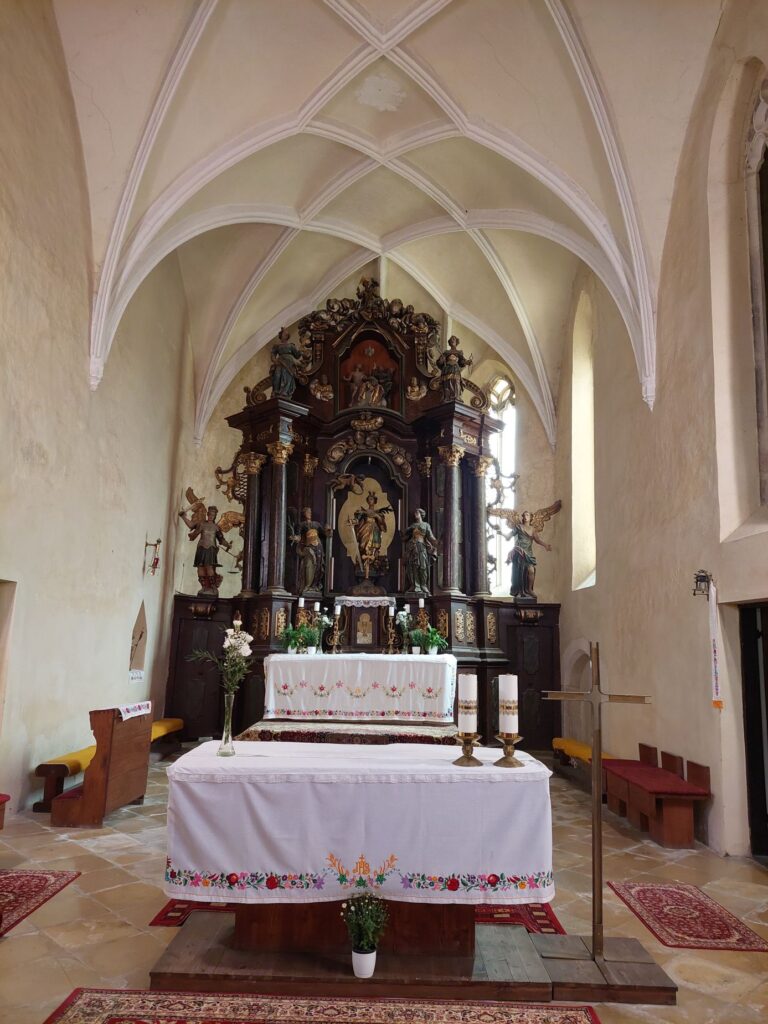
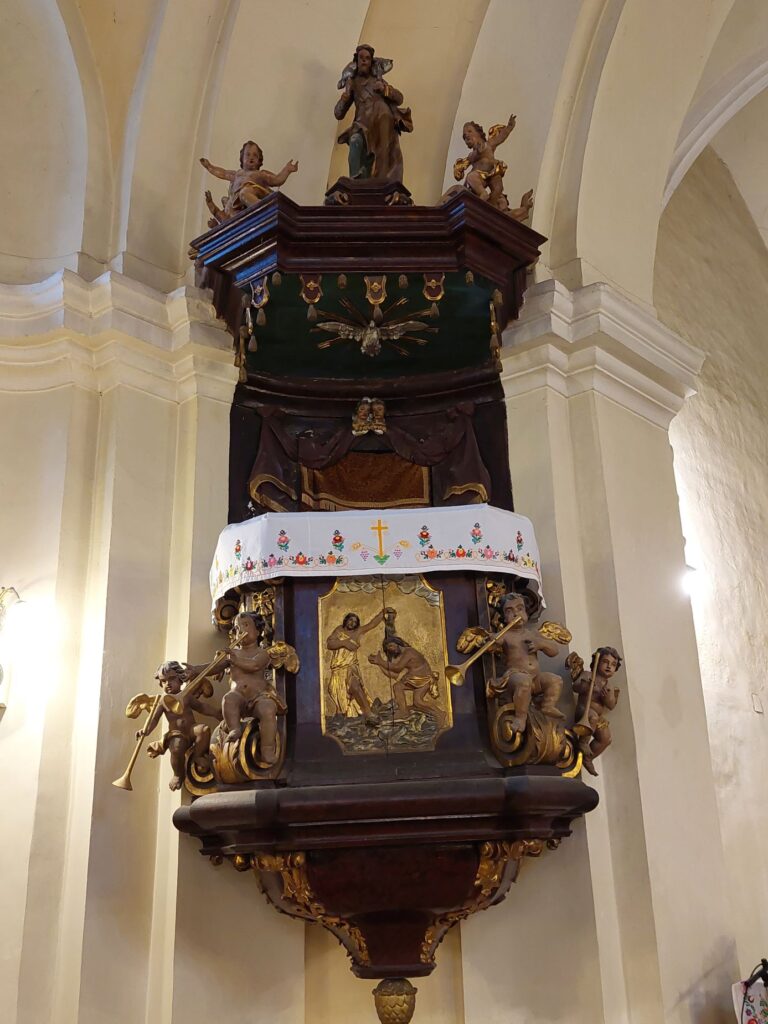
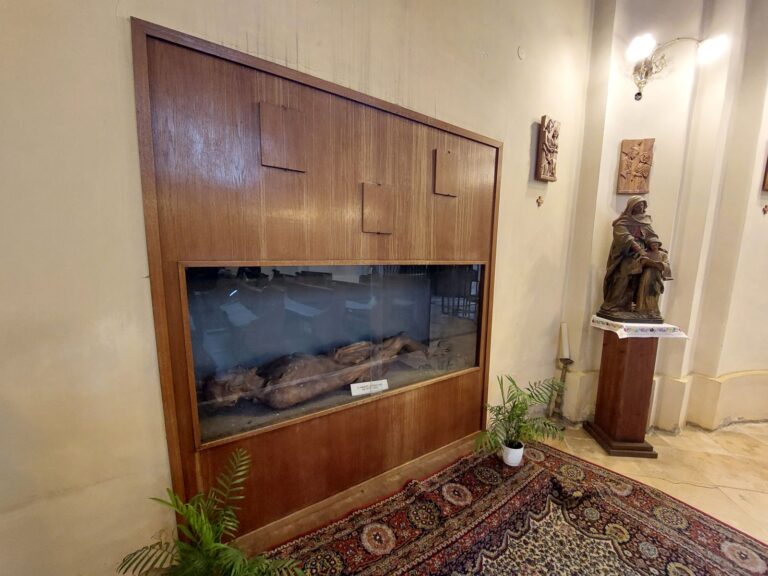
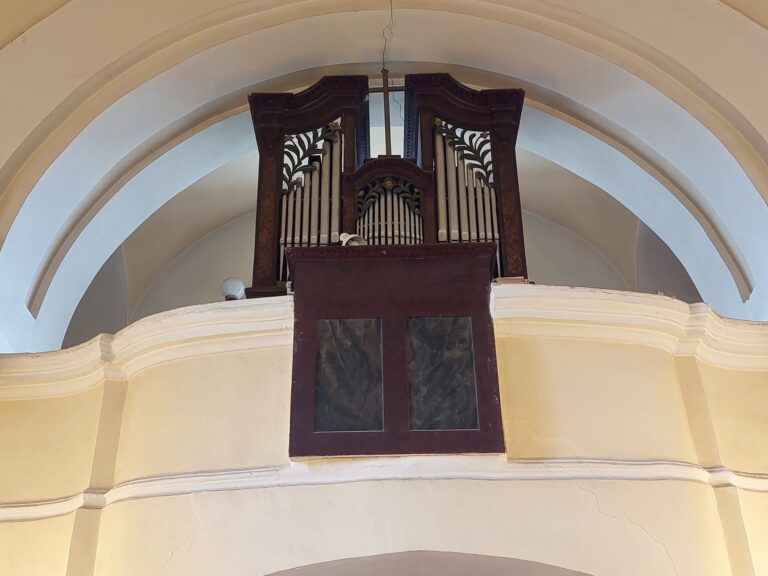
„Egy bizonytalan adat alapján a mai római katolikus templom szentélyének és teremtemplomának építését 1490-re datálják, amelynek során a korábbi egyház eltűnt, és elkészült a mai késő gótikus, ferences típusú templom”. A település központjában áll Alexandriai Szent Katalin-temploma. A mai is álló templomot 1790-ben építtették újjá, bővítették egy barokk templomhajóval. A templomban egy állandó kiállítás is helyet kapott 1975-ben. (ebben az évben történt a templom helyreállítása, régészeti kutatások falkutatás)
A templom egyik érdekessége a falban elhelyezett, 1771-ből származó fa Krisztus-szobor, az úgynevezett „Halott Krisztus”. (Kossuth u.)
A templomkertben II. János Pál pápa mellszobra „fogadja” a híveket. A templom falán található Dr Antall József miniszterelnök Törökkoppányba tett látogatásának emléktáblája.
Next to the main entrance of the church are the memorial plaques for those who died in World War I; on the other side of the church, there is a memorial plaque for the heroes of World War II.
A templom mellett Gül baba 2 méteres bronz ülőszobra látható. A szobrot a Török Köztársaság ajándékozta a községnek. (Gül baba tér)
Nearby, in the vicinity of the church, flows the Crescent Fountain.
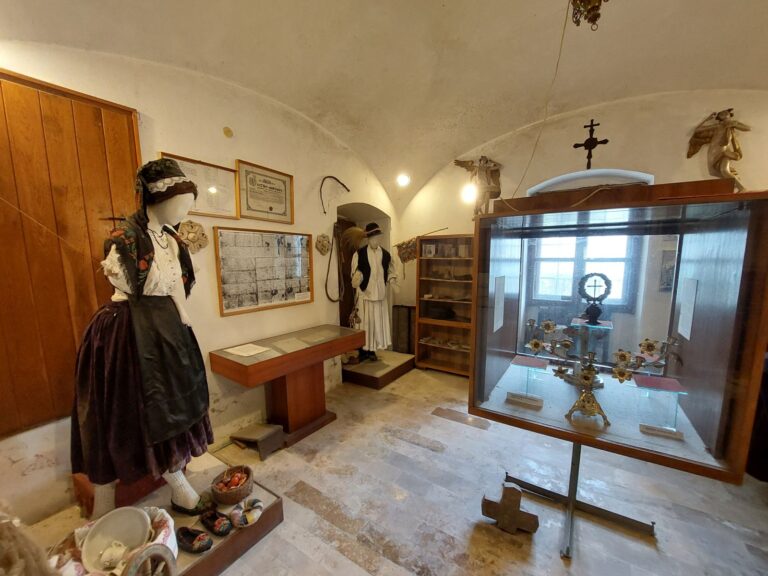
The rich Local History Collection (Táncsics Street 34) is located next to the elementary school. The building was created from the birthplace of Dr. Sándor Szakály, a historian and honorary citizen of the village. In addition to folk artifacts, visitors can also learn about the local traditional costumes.
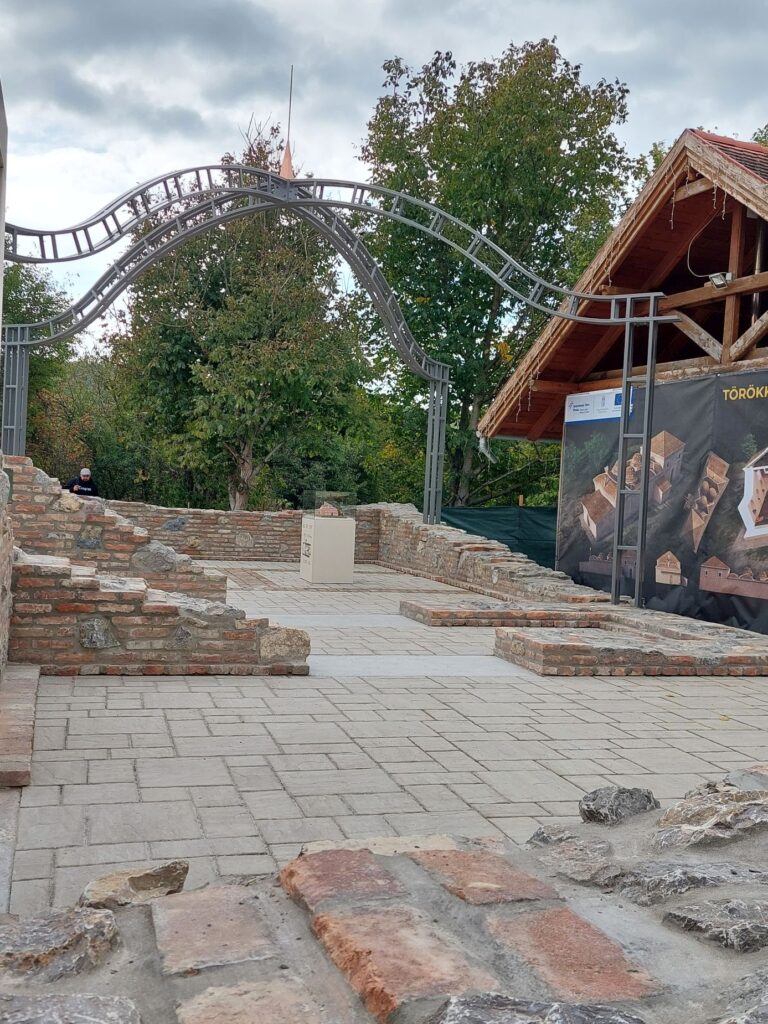
A település központjában egy török fürdő maradványai kerültek elő. A lelőhelynél 2025-ben megépült a Török Fürdő Emlékhely és a Magyar-Török Barátság Park.




Somogyegres
Interesting fact: the name does not derive from "egres" (gooseberry),but from "éger" (alder),l as the area was traditionally surrounded by alder trees. It’s a remote villagein outer Somogy, Kánya only via Kánya. The Church of Saints Philip and James stands on Kossuth Street, built in 1781 Batthyány József hercegprímás style by Archbishop József Batthyány.
Next to the church stands the World War I and World War II memorial.
In the center of the village, there is a fire truck dating back to 1939.


Bedegkér
The small cul-de-sac village was formed in 1939 by the merger of Bedeg and Magyarkér. It can be reached by road from Kánya. The village also includes two parts: Rózsás and Mecsek.
Mecsek has its own chapel: the Holy Cross (Mecsek) Chapel, with a bell tower on its roof. It was designed in 1856 and built in 1857 in late Baroque style. (Mecsek Street)
Ferenc Liszt – composer and pianist – often visited Bedeg. On June 13, 1854, the parish was taken over by his cousin, Antal Veczkó. Antal Veczkó wrote a hymnbook based on church melodies for Roman Catholic cantors. The songs are still heard in churches today. (The musical parts were reviewed and revised by Ferenc Liszt.)
His aunt (Borbála Liszt) and cousin are also buried in the local cemetery.
Upon arriving in the village, the first thing you see is the Lutheran church. Construction of the new Lutheran church, which still stands today, began in 1848 and it was consecrated in 1852. (Kér Street)
In the center of the village stands the Holy Trinity Church, built in 1754 in the Baroque style. The churchyard is adorned with sculptures, and the World War memorial is also located here. (Rákóczi Street)


Bábonymegyer
Located in eastern outer Somogy, in the valley of the Kis-Koppány Stream, just 6 km from Tab.
Between 1850–1870, the area became known for its outlaw culture. The surrounding forests and valleys favored the activities of highwaymen like Patkó Pista , who reportedly died in a shootout in the Bábony woods. His memory is honored by a wooden memorial post.
In the small square next to the Mayor’s Office (Dózsa György Street) stands the colorful statue of Patkó Bandi, erected in 2022.
1908the villages of Bábony and Megyer existed separately; in 1927, Nagybábony és Koppánymegyerin 1927, they merged Bábonymegyer Bábonymegyer.
From the 1920s, the painter Gyula Rudnay lived and worked in the village.
The Lutheran Church, built between 1831–1840 in late Baroque-Classicist style, features an altar painting by Rudnay depicting the Adoration of the Magi.
Next to the church is the World War memorial.
The Reformed Church (Dózsa Gy. Street) also features murals designed and supervised by Rudnay. This wooden-ceilinged heritage building was constructed in 1784. In front of the church, there is a memorial stone dedicated to Gyula Rudnay.
The Church of Our Lady (Szent István Street) was designed by Ferenc Feledi and built between 1940–1943.
A small park by the main road contains a Trianon memorial. Nearby stands the Chapel of Saint Elizabeth of the Árpád Dynasty, built in 1955 and expanded in the 1980s. Its secco-style altar painting was created by Dr. Lajos Takács.


Tengőd
A small village located on the border of Tolna and Somogy counties. The 1956 memorial is located on Petőfi Street. Also on the same street stands the Reformed Church; the building seen today was renovated in 1912. (The first Reformed Church was built in 1717.) The Catholic Church of Saints Peter and Paul was built in 1768. (Vörösmarty Street)
From Tab, travel through Kisfaludy Street to the next village: Kánya.


Kánya
The Baroque-style Catholic Church of King Saint Ladislaus, built in 1754, is located on Ady Endre Street.
Next to the church stands the World War memorial.


If you want to stay informed about events in Zamárdi, subscribe to our newsletter!
What is Tourinform?
Magyarország közel 90 településén várja Önt az itthon és külföldön egyaránt jól ismert jelképpel jelzett turisztikai információs iroda, amelyben tájékozódhat a település, az adott térség, régió, sőt az
tourism offerings. The staff at Tourinform offices are happy to assist you in Hungarian and foreign languages, providing details about accommodation, dining places, transportation,
events, sights, and tourism services.
Opening Hours
Off-Season
Szeptember 16-május 14.
Monday - Friday: 8:00 AM – 4:00 PM
Saturday - Sunday: Closed
High Season:
May 15 – June 15
Monday - Friday: 9:00 AM – 5:00 PM
Szombat: 9.00-14.00
Sunday: Closed
June 16 – August 22
Monday - Friday: 9:00 AM – 6:00 PM
Saturday: 9:00 AM – 6:00 PM
Sunday: 9:00 AM – 5:00 PM
August 23 – September 15
Monday - Friday: 9:00 AM – 5:00 PM
Szombat: 9.00-14.00
Sunday: Closed